


Are You Using Your Damper Correctly?
In the world of AI, finding reliable online advice is trickier than ever. Motown Fire provides accurate answers to all industry questions, including: “Are you using your damper correctly?” Please note: Our review of online articles found that the bulk of the advice inaccurately combines directions for a chimney damper with those for an exhaust pipe for a wood stove or fireplace. The following provides helpful information on using a chimney damper and a stovepipe damper.
 The Purpose of Chimney Dampers
If your home has a masonry fireplace, the chimney damper must be fully open whenever a fire is burning. After the fire is fully extinguished and the embers are cool, the damper should be shut tightly. This guideline applies to both common damper styles used today—throat dampers and top-sealing (top-mount) dampers. These devices are designed to serve two basic purposes:
- Allow full airflow to travel up the chimney flue while the fireplace is operating.
- Seal the chimney to stop airflow when the fireplace is not in use.
Opening the damper ensures that smoke, carbon monoxide, and other combustion byproducts are safely vented outdoors. If the damper is closed or only partially open during a fire, harmful gases can enter your living space. Carbon monoxide (CO) is especially dangerous because it cannot be seen or smelled, and exposure can be deadly before symptoms are obvious. Verifying that the damper is fully open before lighting a fire is an essential safety step.
Leaving the damper open when the fireplace is idle can waste energy. An unsealed flue allows heated or cooled indoor air to escape, much like keeping a window open year-round. This can drive up heating and cooling costs while reducing overall comfort.
Operating Throat Dampers
Most traditional masonry fireplaces include a throat damper located just above the firebox. The operation depends on the mechanism type. Some models use a rotating knob to move the metal plate between open and closed positions. Others feature a ratcheting handle that adjusts the damper plate. Because throat dampers are exposed to high temperatures and moisture, they can corrode or warp over time, leading to a loose seal. Regular inspection helps ensure proper function.
Operating Top-Mount Dampers
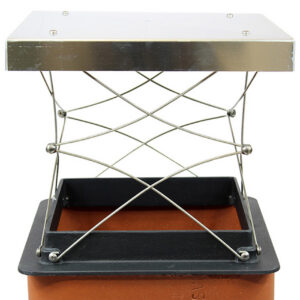
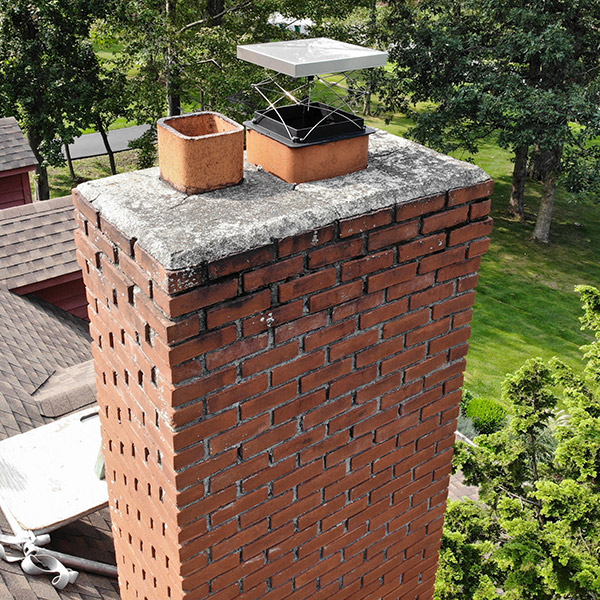
When a throat damper no longer seals effectively, many homeowners upgrade to a top-mount damper. Installed at the top of the chimney, this style additionally functions as a chimney cap. It is typically controlled by a stainless-steel cable or chain that runs down the flue into the firebox area. Releasing the cable opens the damper for fireplace use. After the fire is completely out, pulling and securing the cable closes and seals the flue, blocking drafts and preventing moisture intrusion.
How to Operate a Stovepipe Damper
Today’s heating systems are far more advanced than those used decades ago, yet many homes still rely on wood stoves or fireplaces that vent through metal stovepipes equipped with manual dampers. Properly positioning the damper is essential for both safety and efficiency.
A stovepipe damper serves two primary functions. First, it allows smoke and combustion byproducts to travel safely up the stovepipe and out of the home. Second, it helps regulate the rate of burning by controlling the draft through the stove.
As a general rule, the damper should remain partially open—about one-quarter open—during normal operation. This setting usually provides sufficient draft to vent gases while maintaining a steady temperature. The damper may be opened wider in specific situations, such as:
- When lighting a new fire and establishing a proper draft.
- When additional airflow is needed to intensify the flames and increase heat output.
- Once the fire is burning steadily, adjusting the damper back to a partially open position can help maintain consistent warmth while preventing excessive heat loss up the chimney.
Contact Motown Fire About Questions and to Schedule Services
Our technicians at Motown Fire are all about helping homeowners safely enjoy their fireplaces and heating stoves. The question “Are you using your damper correctly?” is a concern we take seriously. Feel free to call us not only to schedule chimney services but also to ask questions about chimney and fireplace-related issues.
Our services include restoring a healthy chimney draft, repairing chimney leaks, replacing chimney flashing, installing new fireplaces, masonry repairs, chimney inspections, chimney cleaning, fireplace surround upgrades, and more. Contact us today to make inquiries and/or to schedule an appointment. Whoever you speak to, don’t worry! The source of their answer won’t be AI-generated!