



Tuckpointing 101
Chimneys are exposed to harsh weather every day, which can lead to cracked bricks and deteriorating mortar joints. If your chimney looks a little beaten up, it may need minor repairs to get it back into shape. One of the most popular repairs is called tuckpointing, and it’s more than just cosmetic. Here’s everything you need to know about this technique and when you should consider it.
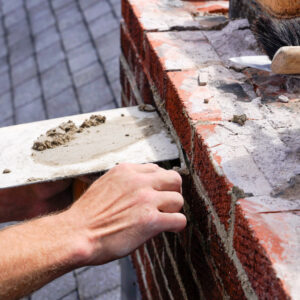 What is Tuckpointing?
Tuckpointing, or repointing, is the process of removing deteriorated mortar joints between bricks and replacing them with fresh mortar. As mentioned, chimneys take a terrible beating, especially during winter and the freeze/thaw cycle. This causes mortar to crumble or wash out. While bricks are extremely durable, mortar is softer and can’t withstand the same damage as bricks.
When mortar fails and isn’t replaced, bricks loosen, and water penetrates the chimney, which leads to serious structural issues that are expensive to fix.
Why Chimneys Need Tuckpointing More than Other Masonry
So, why do brick homes not need tuckpointing nearly as much as chimneys? Well, because chimneys are exposed on all sides and extend above the roofline. They’re constantly battered by rain, heavy winds, snow, ice, and freezing and thawing. Moisture seeps into the mortar’s small cracks, freezes, and expands, worsening the cracks. Over the years, this cycle accelerates deterioration.
If mortar joints become compromised, water can seep in, damaging the flue liner and nearby wood framing. When bricks loosen, your chimney could collapse.
How Tuckpointing Works
Professional tuckpointing is a precise process. Here’s how it works.
First comes an inspection. A professional technician will examine the chimney and determine the depth and extent of mortar deterioration.
Next, the damaged mortar is ground or chiseled out. Once the old mortar has been removed, the mason cleans the joints so the new mortar bonds properly.
Once the joints are clean, they add fresh mortar that matches the old mortar’s strength and appearance as closely as possible.
Finally, the joints are shaped and allowed to cure properly to ensure durability and water resistance.
Signs Your Chimney Needs Tuckpointing
It’s crucial to know when your chimney needs this service to avoid more serious, expensive repairs later. Mortar deterioration occurs over time, so you might not notice a problem until it’s obvious.
One of the most obvious signs is cracked, crumbling, or missing mortar between the bricks. If you can scrape it away with a screwdriver or see gaps forming in the joints, it means the mortar has reached the end of its lifespan and needs to be replaced.
Another sign is recessed mortar joints. If the mortar looks like it’s sinking inward from the brick, it means it’s not sealing properly and allowing water to get in, which accelerates deterioration.
Is Tuckpointing a DIY Job?
If you have a little wall in the garden, then sure, but for a chimney, no. Chimney tuckpointing means working at height, using specialized tools, and having the experience and knowledge to do it right. Improper technique or mortar composition can trap moisture, leaving you back at square one in no time.
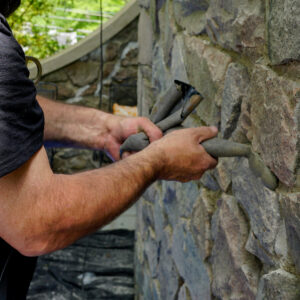
Pros can also inspect related components, such as the crown and flashing, to ensure the repair actually solves the problem.
A good tuckpointing job by a trained pro should last 20 to 30 years, so it’s a wise investment instead of doing it yourself.
Call Motown Fire
If your chimney has seen better days and it needs some TLC, call the pros at Motown Fire. Our expert team can fix cracks and leaks to ensure your chimney is sound and efficient. We also offer professional cleaning and inspection, and are committed to providing outstanding customer service.